Terminology of Legal Terms
Terminology of Legal Terms
20 Law terms
In the future, I will be working in the legal field. There are many jobs related to that field, but the one that interests me the most is a lawyer. A lawyer has the job to advise, represent and defend his clients in legal matters. They need to use their skills and knowledge in the interest of their clients. Lawyers spend most of their time in their office or court. However, not all lawyers go to court. Every lawyer has many cases a year which differentiates their day at work. Down below, a glossary has been made related to the legal field, to help others and I to know and understand basic words used in law.
- Accused
- Noun
- A person or group of people who are charged with or on trial for a crime.
- Example: The jury found the accused not guilty.
- fr: Accusé

- Appeal
- Noun
- A request made after a trial by a party that has lost on one or more issues that a higher court review the decision to determine if it was correct. To make such a request is "to appeal" or "to take an appeal." One who appeals is called the "appellant;" the other party is the "appellee."
- Example: After the trial, the defendant's lawyer filed an appeal.
- fr: Appel

- Bill
- Noun
- A bill is a proposed law that is introduced in either the House of Commons or the Senate. Most bills are introduced in the House of Commons. Bills can amend or repeal existing law or can contain completely new law.
- Example: The new bill will concern all small companies.
- fr: Projet de loi

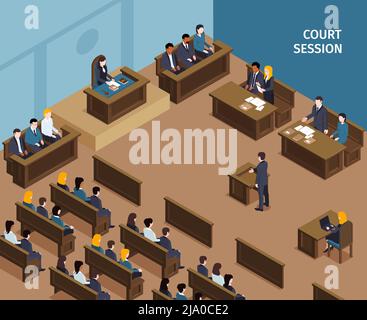
- Courtroom
- Noun
- A room in which the sessions of a law court are held.
- Example: The courtroom was silent as the defendant testified.
- fr: Salle d'audience

- Defense attorney
- Adjectif and noun
- A lawyer who represents defendants in legal proceedings.
- Example: The defense attorney argued that the judge should declare a mistrial.
- fr: L'avocat de la défense

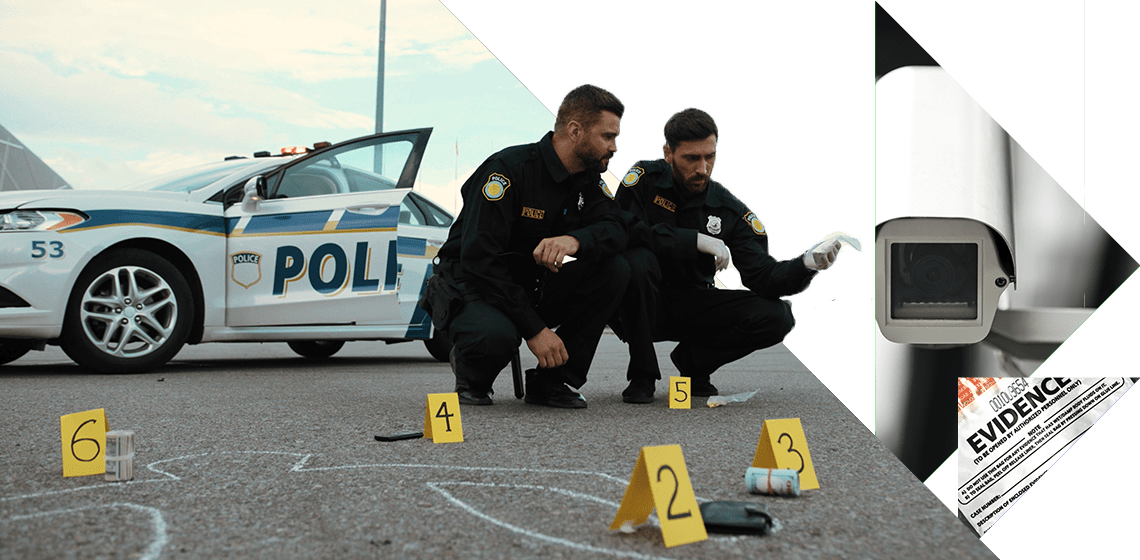
- Evidence
- Noun
- Information presented in testimony or in documents that is used to persuade the fact finder (judge or jury) to decide the case in favor of one side or the other.
- Example: The detective found no evidence of wrongdoing.
- fr: Preuve
- Judge
- Noun
- An official of the Judicial branch with authority to decide lawsuits brought before courts. Used generically, the term judge may also refer to all judicial officers, including Supreme Court justices.
- Example: The judge passes sentences at the end of the trial.
- fr: Juge

- Jury
- Noun
- The group of persons selected to hear the evidence in a trial and render a verdict on matters of fact. See also grand jury.
- Example: The jury found the accused not guilty.
- fr: Jury

- Law
- Noun
- The system of rules which a particular country or community recognizes as regulating the actions of its members and which it may enforce by the imposition of penalties.
- Example: The police must uphold the law.
- fr: Droit
- Lawyer
- Noun
- A person whose profession is to represent clients in a court of law or to advise or act for clients in other legal matters.
- Example: I went to law school to become a lawyer.
- fr: Avocat

- Legislation
- Noun
- Laws, considered collectively.
- Example: The government changed the legislation on import control.
- fr: Législation

- Mediator
- Noun
- A person whose job is to mediate in a disagreement. They talk to the people or groups involved to help them find a solution.
- Example: The mediator managed to conciliate the two opposing sides.
- fr: Médiateur

- Mistrial
- Noun
- An extreme case where a trail cannot be concluded, for example, because of some fundamental unfairness in the process or because a jury cannot agree on a verdict.
- Example: The judge ruled a mistrial and cited the prosecutors for outrageous misconduct.
- fr: Annulation du procès

- Paralegal
- Noun
- A person trained in subsidiary legal matters but not fully qualified as a lawyer.
- Example: The paralegal helps the lawyer prepare the documentation.
- fr: Parajuriste
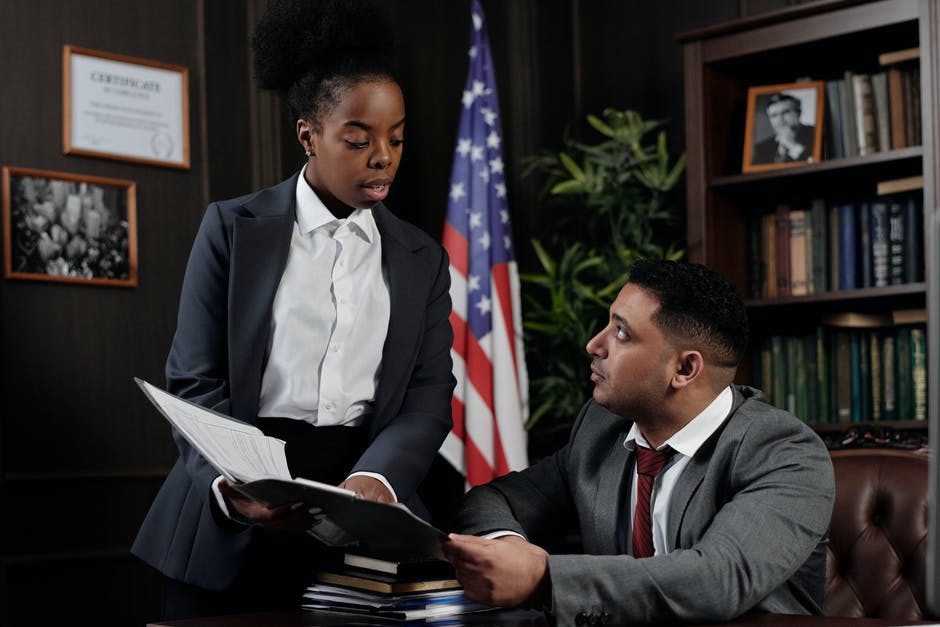
- Prosecutor
- Noun
- A prosecutor is a lawyer who works for a state or government organization and is responsible for starting legal proceedings and then proving in court that the suspect committed the crime he’s accused of.
- Example: The prosecutor opened an investigation into the drug ring.
- fr: Procureur
- Sentence
- Noun
- The punishment assigned to a defendant found guilty by a court, or fixed by law for a particular offense.
- Example: Serious crimes are punished with a prison sentence.
- fr: Peine

- Testimony
- Noun
- A formal written or spoken statement, especially one given in a court of law.
- Example: The driver's testimony proved the suspect innocent.
- fr: Témoignage

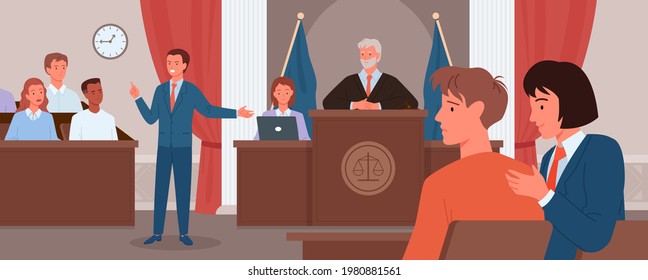
- Trial
- Noun
- A formal examination of evidence before a judge, and typically before a jury, in order to decide guilt in a case of criminal or civil proceedings.
- Example: He was a key witness at the trial.
- fr: Procès
- Verdict
- Noun
- A decision on a disputed issue in a civil or criminal case or an inquest.
- Example: The jury managed to reach a verdict.
- fr: Jugement

- Witness
- Noun
- A person called upon by either side in a lawsuit to give testimony before the court or jury.
- Example: The police has interviewed the witness.
- fr: Témoin